


You won't have to figure that out on your own. After your comprehensive evaluation, our clinical team builds a plan around what your specific airway structure and function require. The evaluation is what makes that possible; it gives us the data to recommend the right path for you instead of a one-size-fits-all protocol. We start with the most conservative option that appropriately addresses the root cause, then build from there if your case calls for it.
Sleep and breathing are foundational to how your body regulates energy and recovery. When airflow is compromised during sleep, that regulation suffers. Airway Health works on the structural side of that equation: we optimize your airway anatomy and function so you can breathe properly and sleep deeper. Better breathing and sleep support the systems your metabolic health depends on.
Waking up tired usually isn't about how long you slept; it's about how well you breathed while you slept. When your airway is compromised, your body can't settle into the deep, restorative stages of sleep, so you wake up feeling like you never fully rested. Airway Health works on the structural cause: when your airway is open and functioning, you breathe steadily through the night and your body gets the deep sleep it's supposed to.
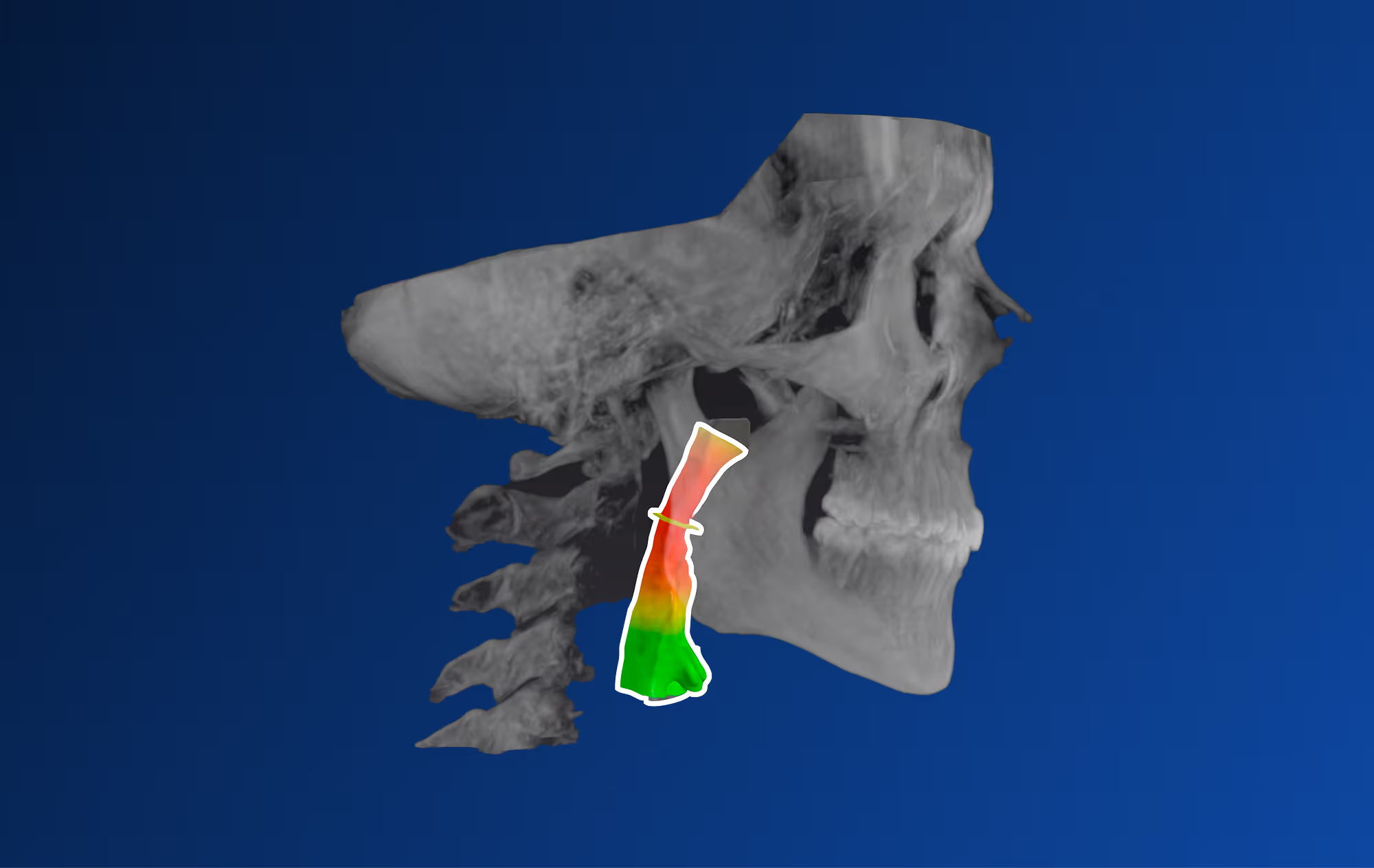
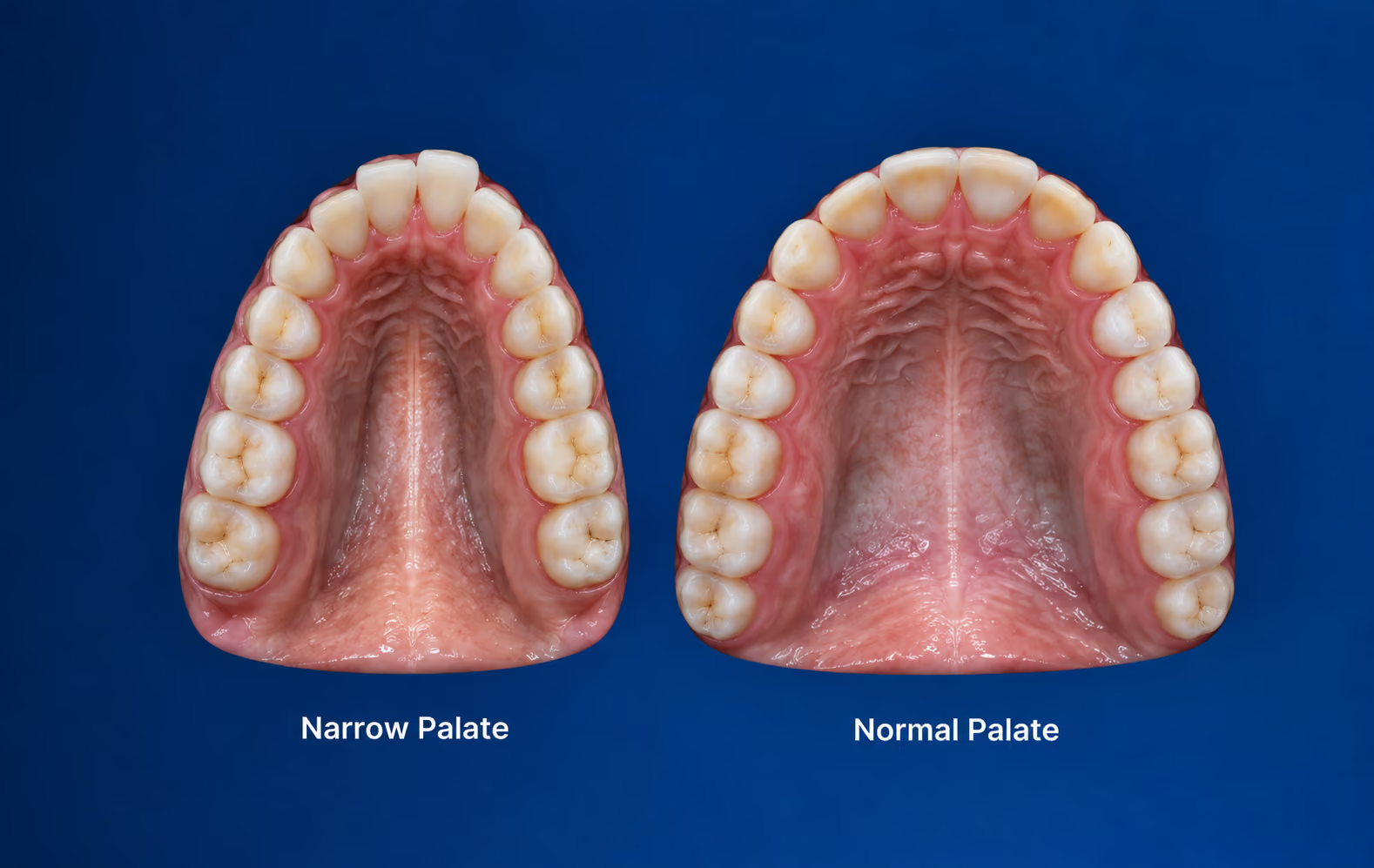
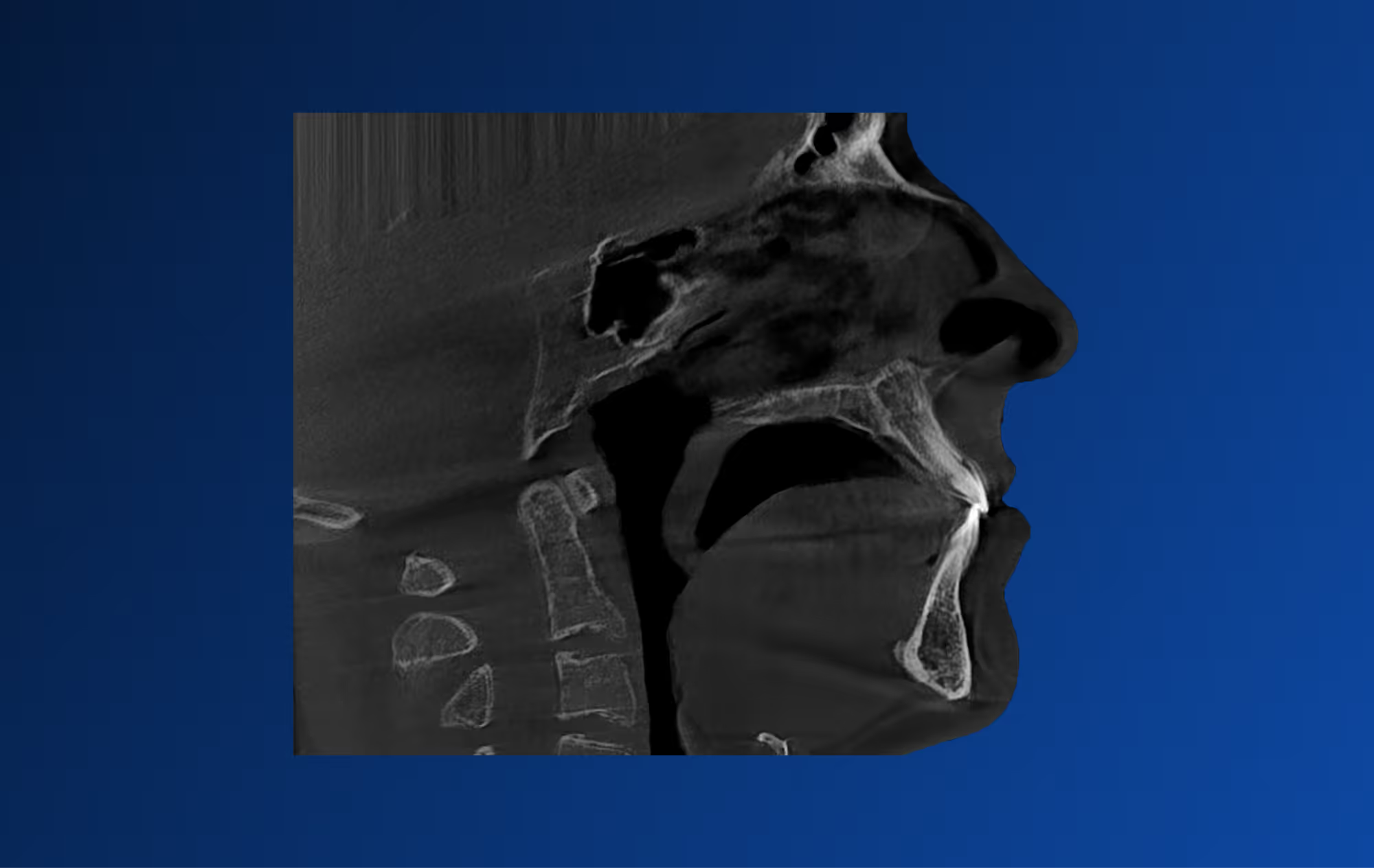
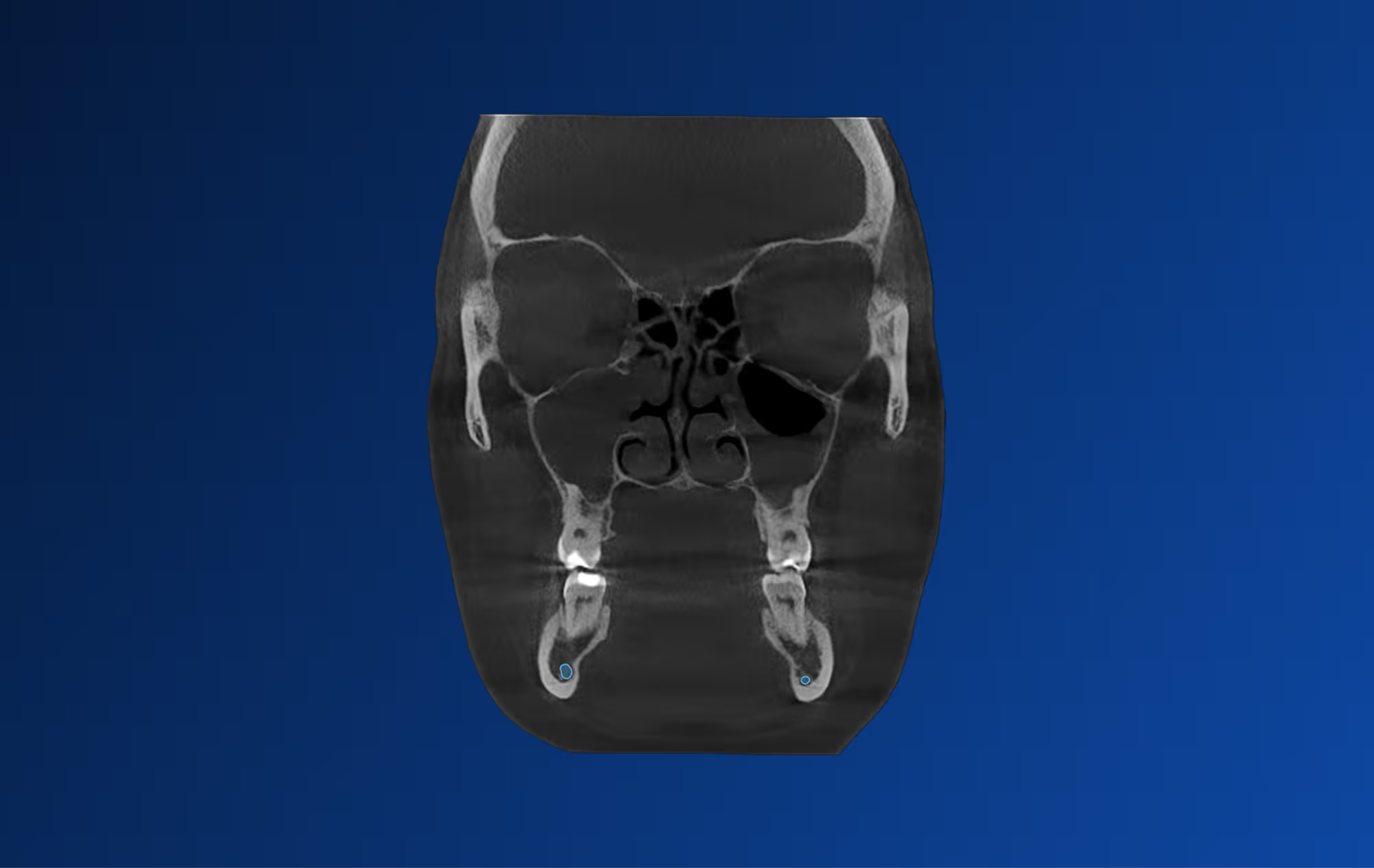
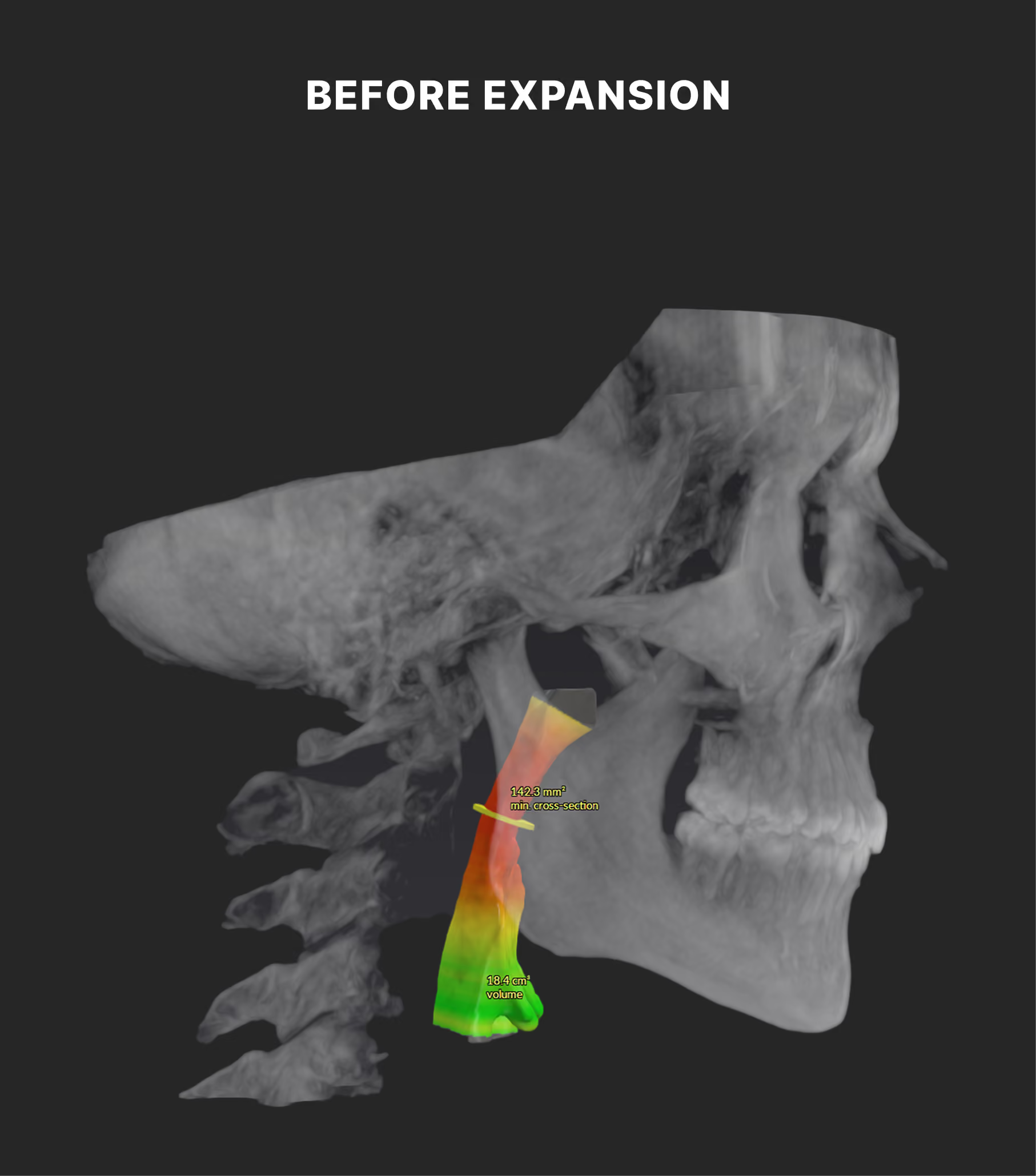
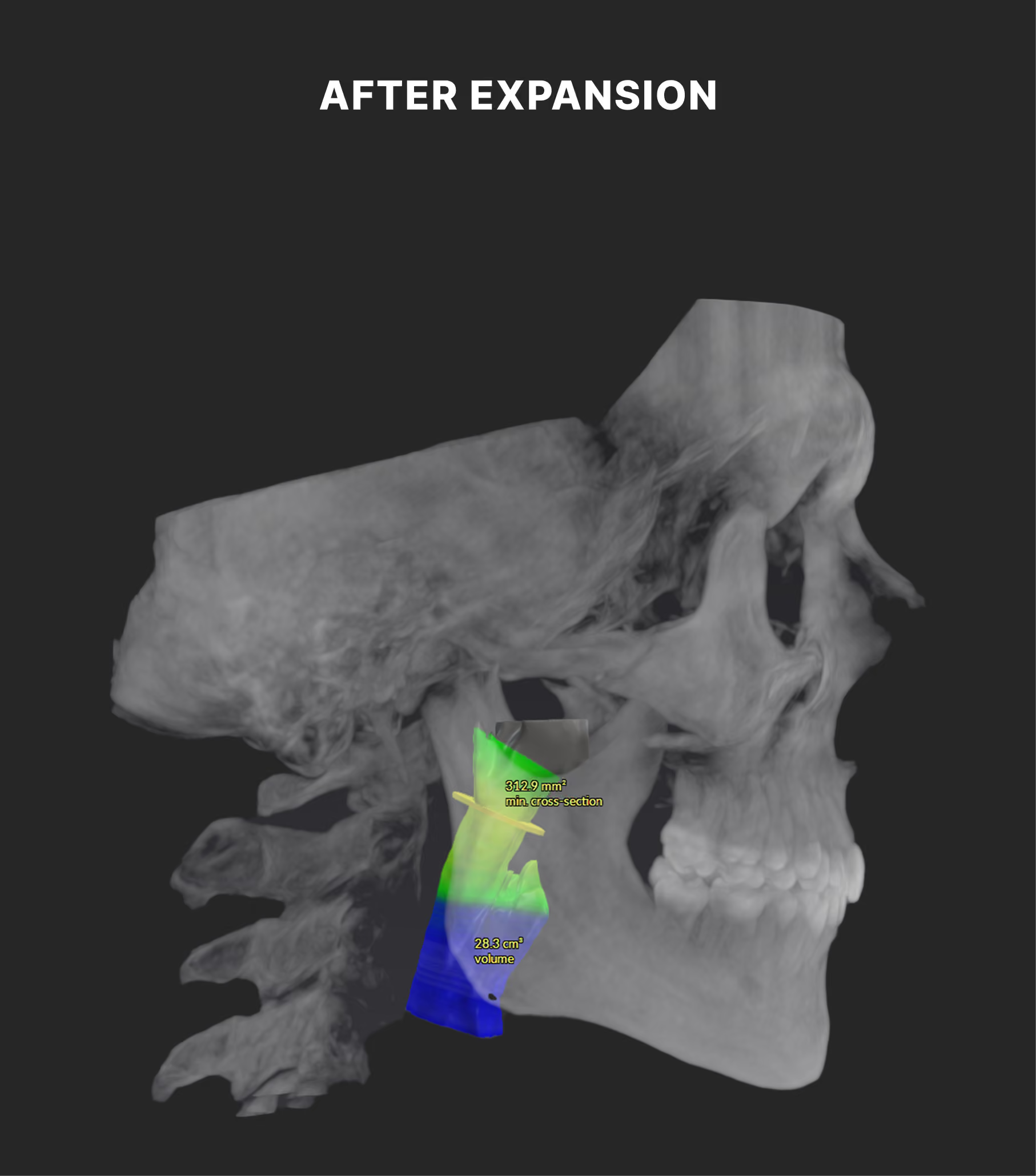
Airway structure is one factor that can contribute to obstructed breathing during sleep. When the jaw is underdeveloped or the tongue lacks room, the tongue can fall back and restrict airflow at night. Sleep apnea itself is a medical condition that a physician diagnoses and manages. Airway Health addresses the structural side: the jaw and airway anatomy that affect how open your airway stays while you sleep.
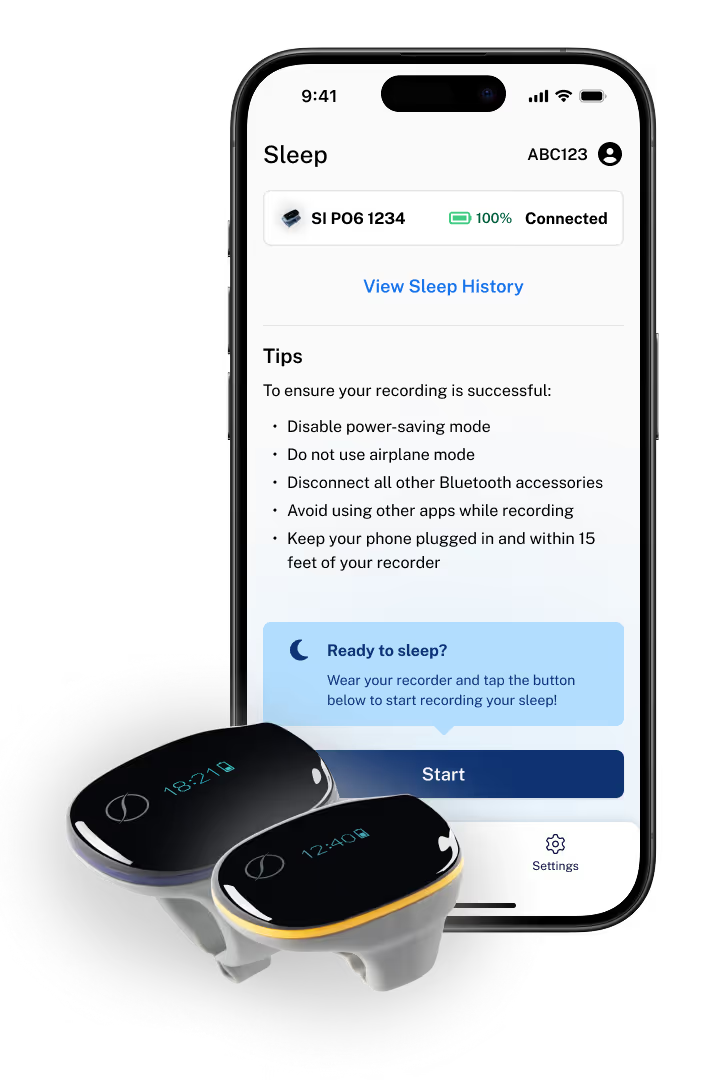
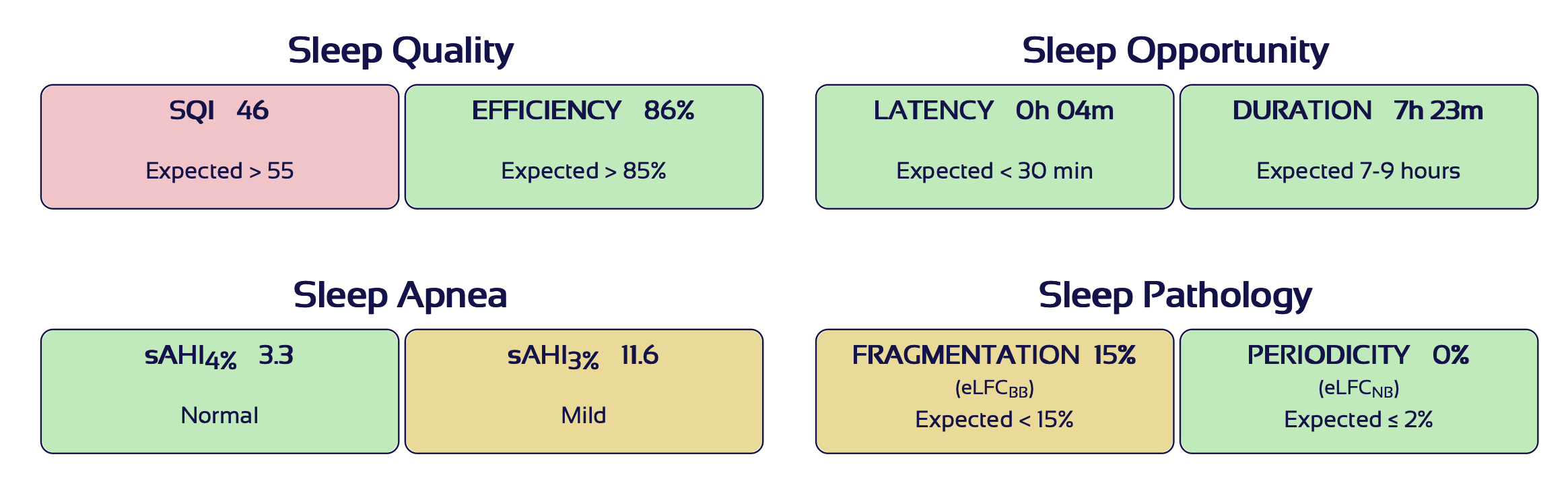
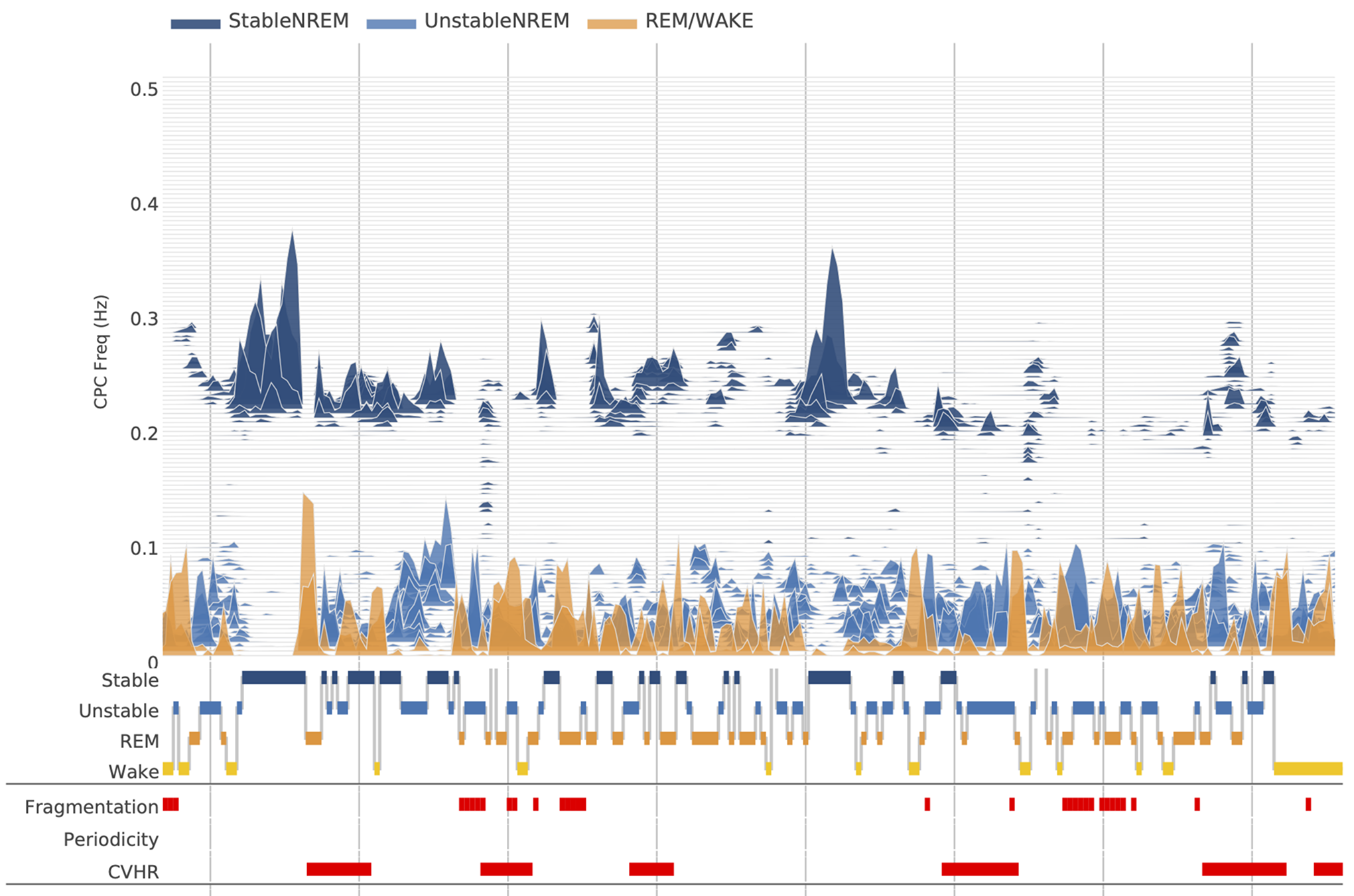
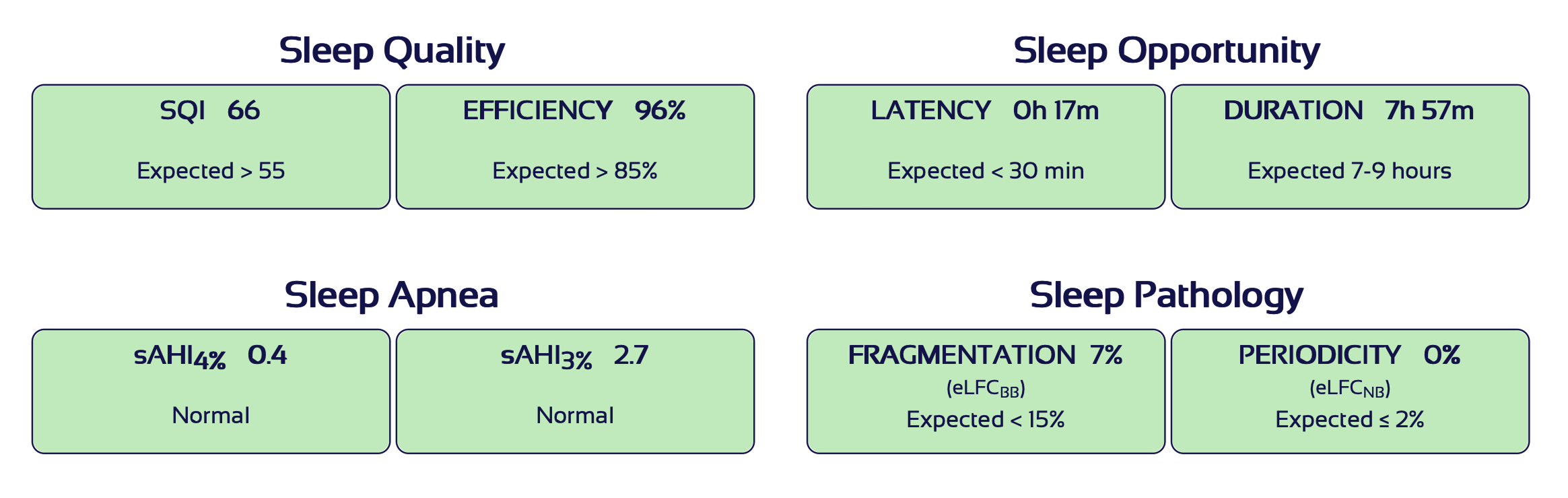
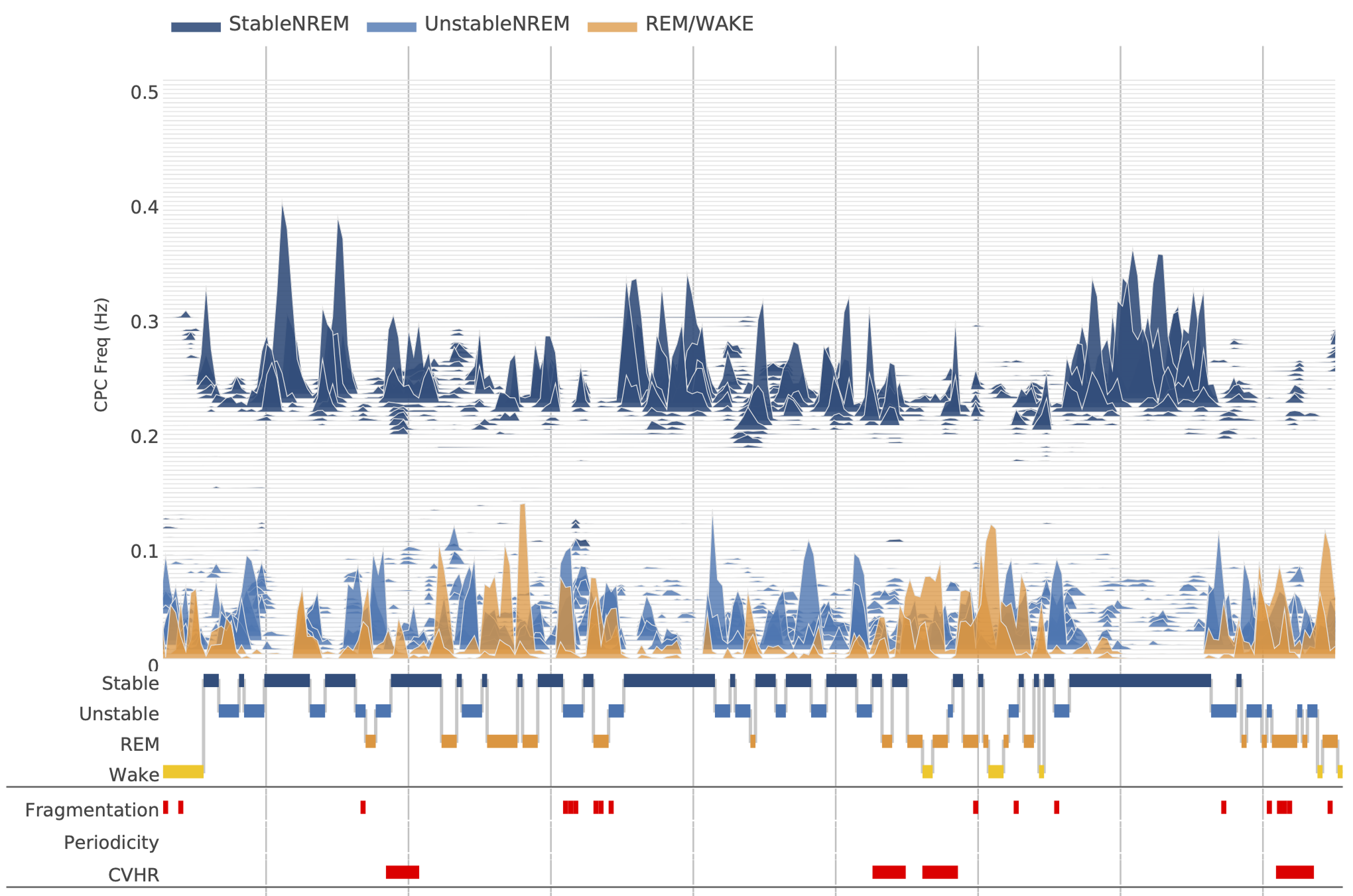
Wearables like the Oura ring estimate your sleep from signals like heart rate and movement. They're useful for tracking general trends, but they aren't built or cleared to evaluate breathing during sleep. Our study uses SleepImage, an FDA-cleared technology validated to produce results comparable to an in-lab sleep study. It measures the breathing and sleep-quality data we need to understand how your airway is functioning at night, the difference between a wellness estimate and data your treatment plan can actually be built on.
Treatment ranges from roughly $2,500 to $25,000. Where you fall depends on what your case actually requires: the complexity of your airway structure, which appliances or therapies are involved, and how much correction your anatomy needs. After your evaluation, we start with the most conservative option that appropriately addresses the root cause, so you're never paying for more treatment than your case calls for. We'll walk you through your specific costs before you commit to anything.