

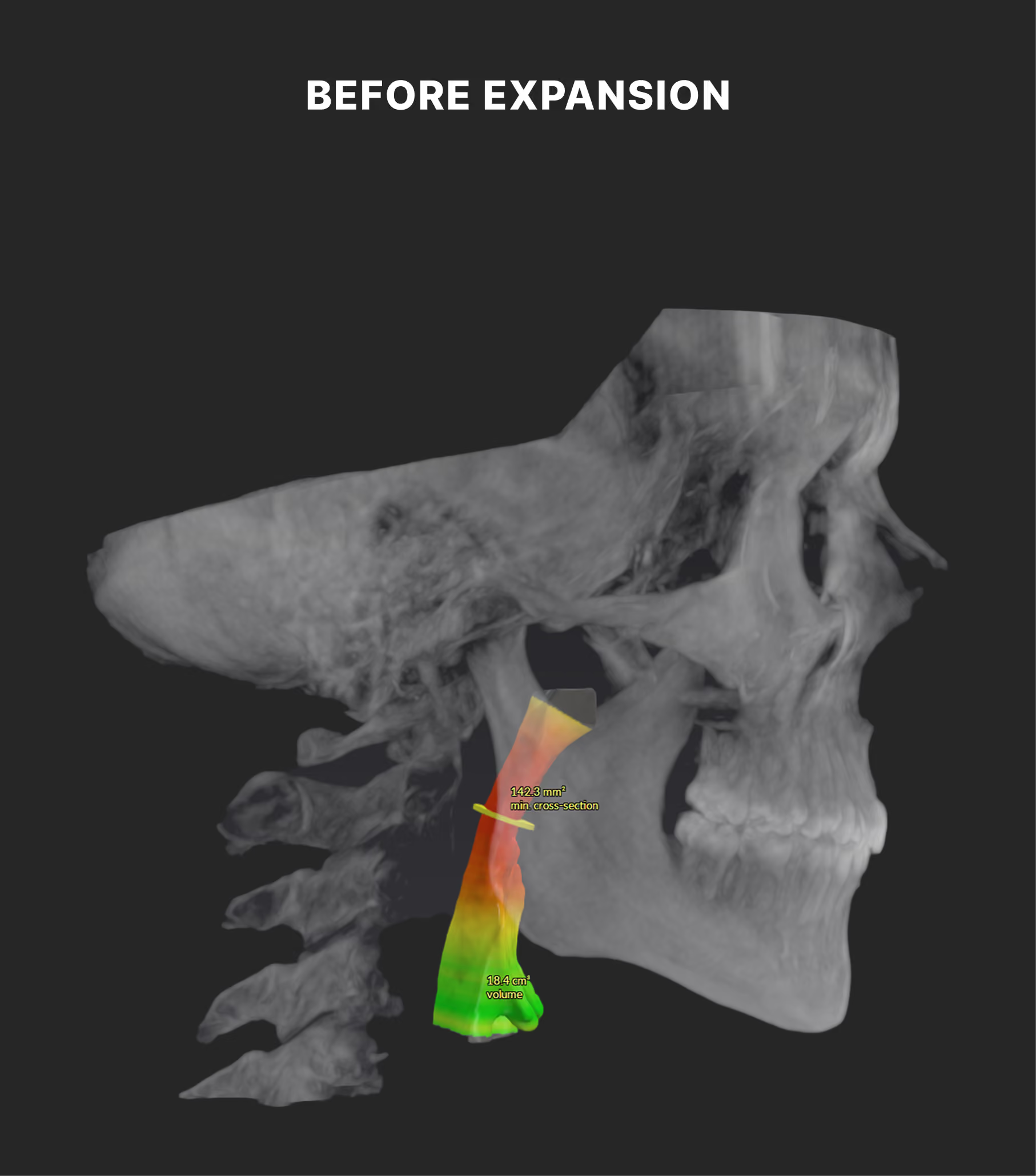
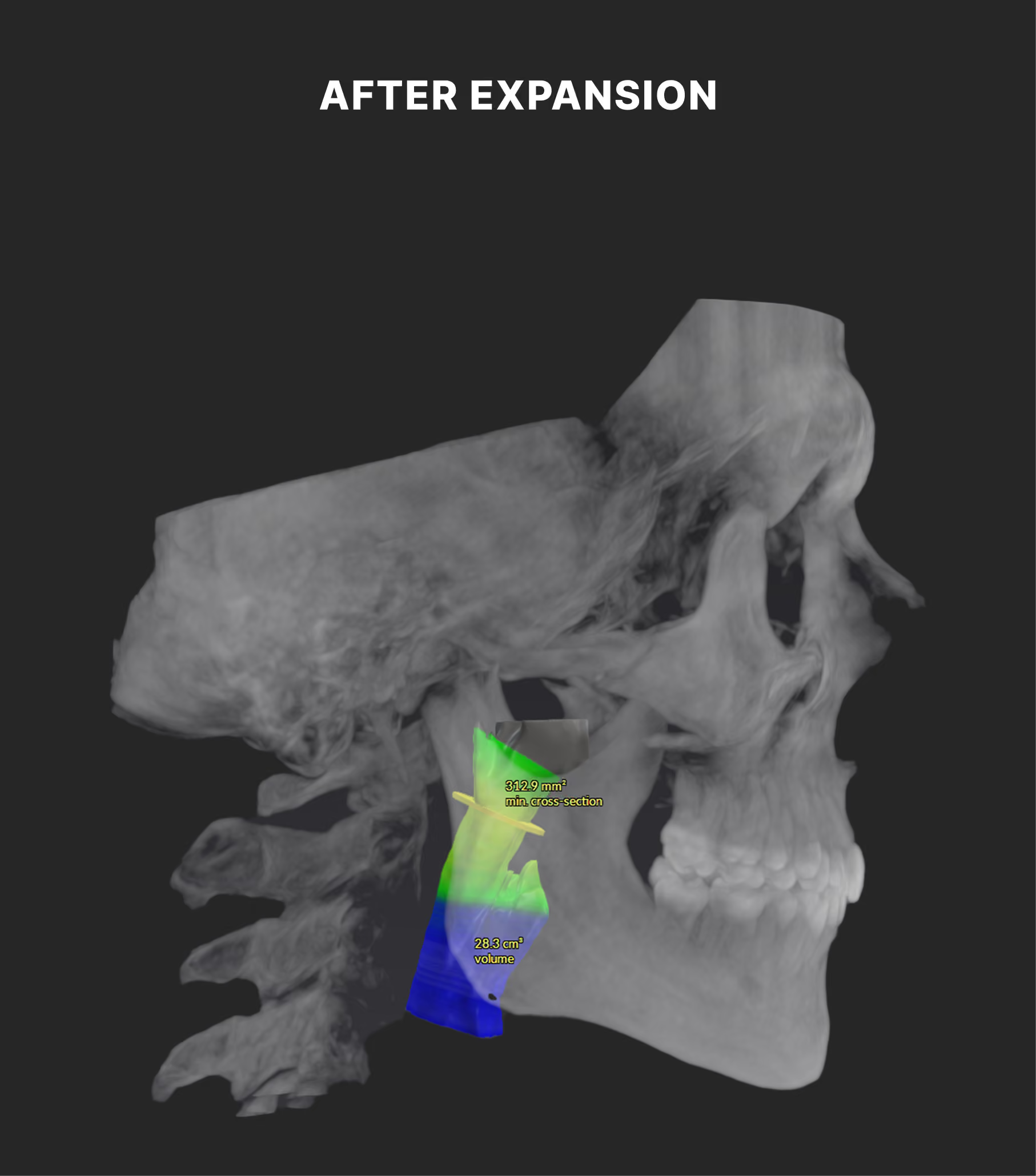







Chronic fatigue is often driven by restricted airflow during sleep, leading to low oxygen levels and poor sleep quality. If your airway is compromised, your body never fully recovers, no matter how long you sleep.
When airflow is limited at night, breathing may become more effortful. This is often seen with frequent micro-arousals and reduced deep or REM sleep, which are commonly linked with daytime fatigue.
Yes. Many people have sleep-disordered breathing that doesn’t meet sleep apnea criteria. Mouth breathing, airway resistance, tongue collapse, and nasal obstruction are commonly observed alongside disrupted sleep and oxygenation.
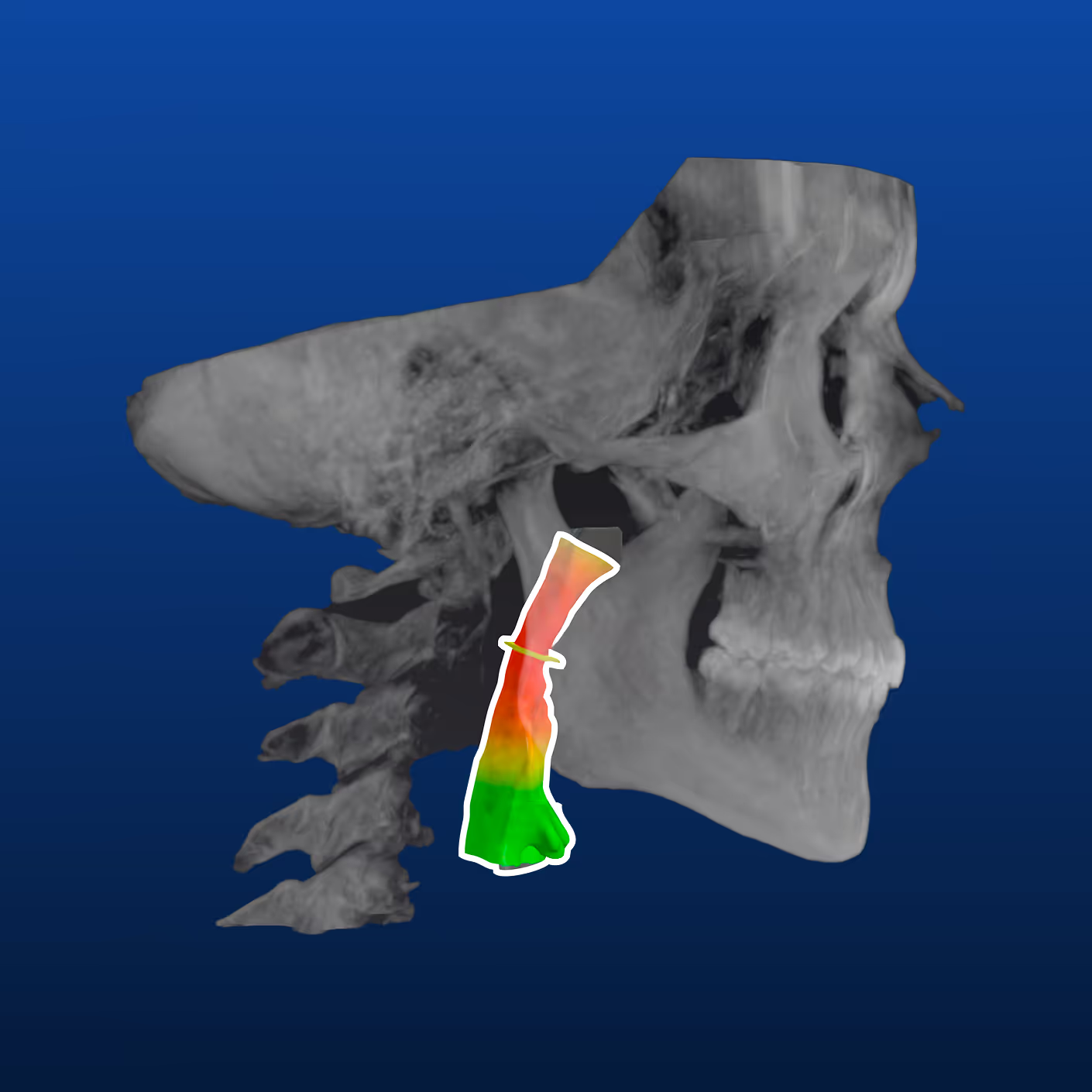
Underdeveloped jaws, narrow palates, and limited tongue space reduce airway volume. This restriction often worsens during sleep, forcing the body into a constant fight-for-air state that prevents recovery.
Mouth breathing bypasses the nose’s natural filtering and nitric oxide production, reduces oxygen efficiency, and increases airway collapse during sleep, directly contributing to poor sleep quality and chronic fatigue.