

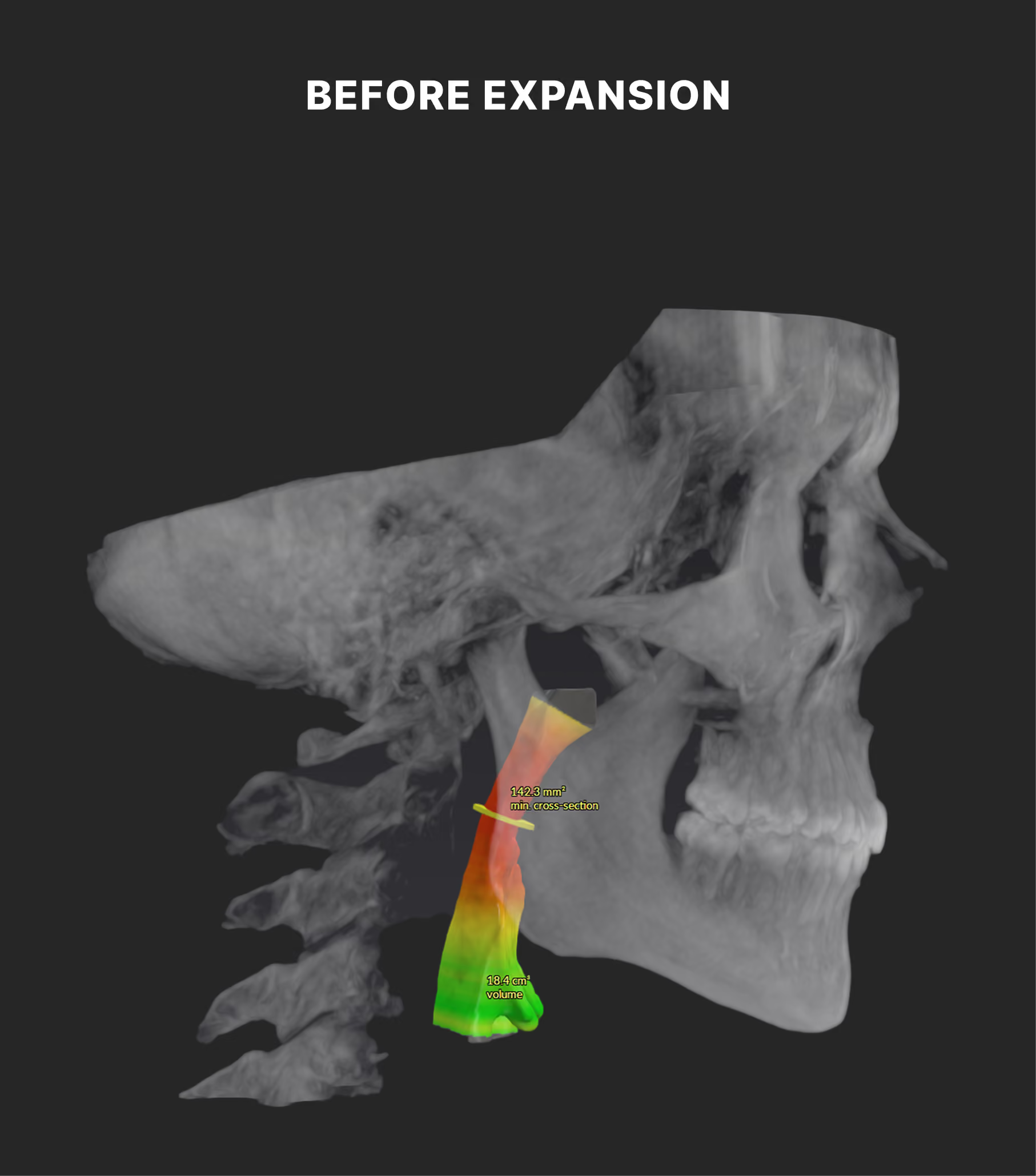
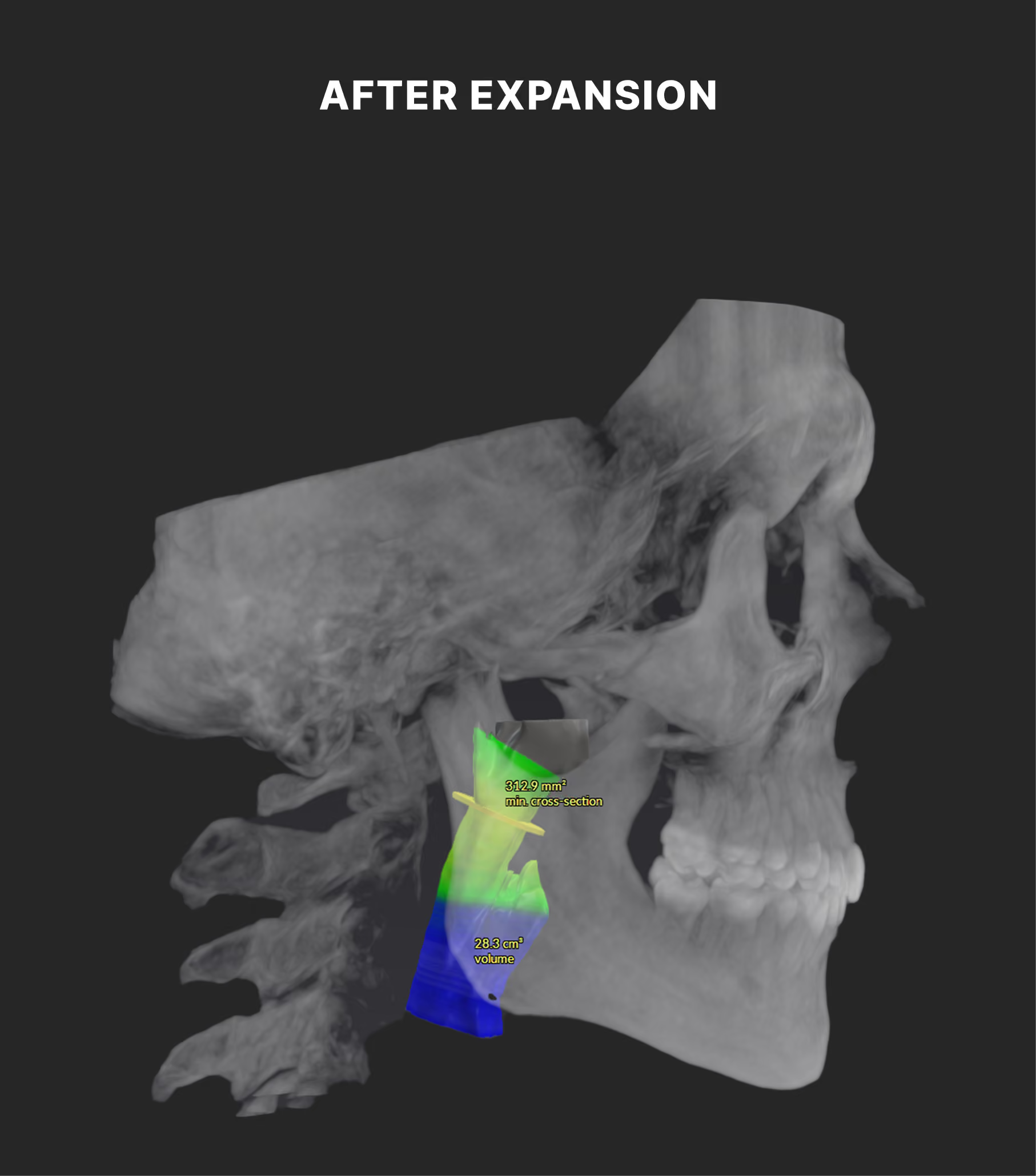







Mouth breathing is rarely just a habit. In most cases, it’s a compensation for a restricted airway caused by underdeveloped jaws, limited tongue space, or nasal obstruction. If nasal breathing were easy, your body would naturally choose it.
Mouth tape and nasal strips may temporarily improve airflow, especially at night, but they don’t correct the underlying structural or functional causes. Long-term improvement usually requires addressing jaw development, airway space, and tongue posture.
Common causes include underdeveloped jaws, a narrow palate, poor tongue posture, nasal obstruction, inflammation, or prior retractive orthodontic treatment. These factors can reduce airway space and make nasal breathing difficult or impossible.
Yes. Chronic mouth breathing is associated with poor sleep quality, daytime fatigue, snoring, jaw clenching, and long-term health issues related to reduced oxygen intake and disrupted sleep patterns.
We use advanced imaging and airway-focused diagnostics to identify the structural and functional drivers of mouth breathing. From there, we create personalized treatment plans designed to support proper airway development, restore nasal breathing, and improve long-term health—not just manage symptoms.