

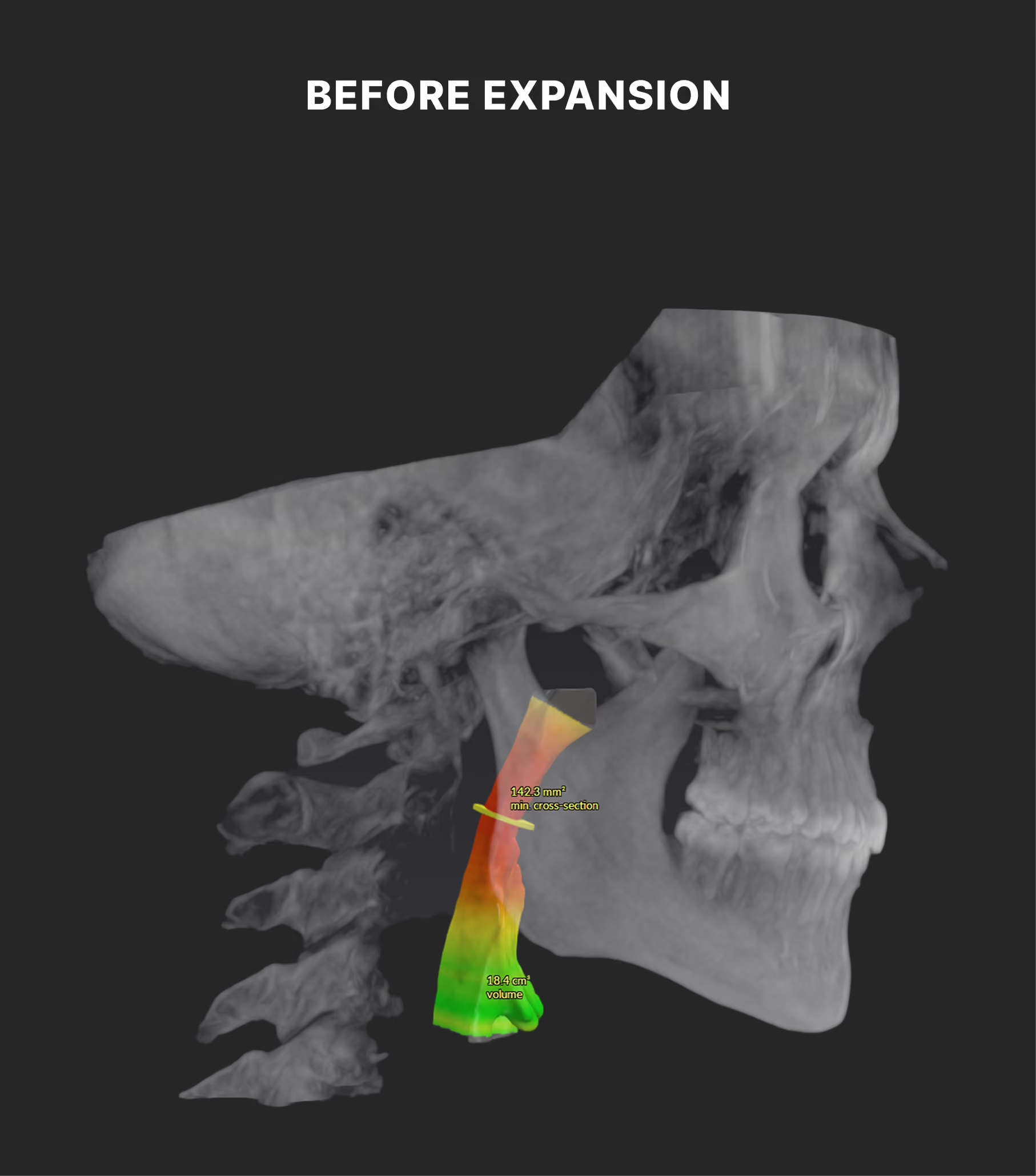
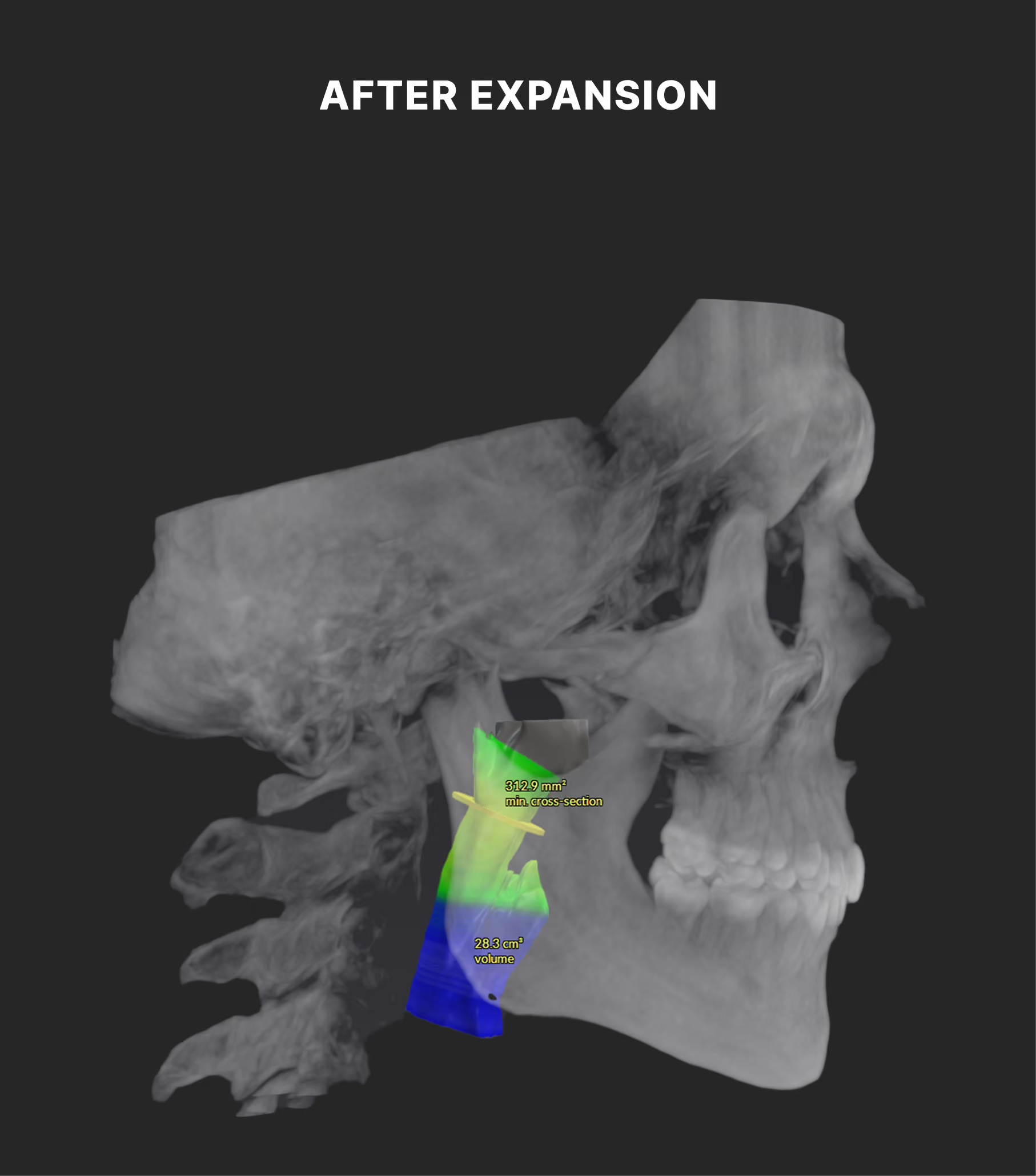
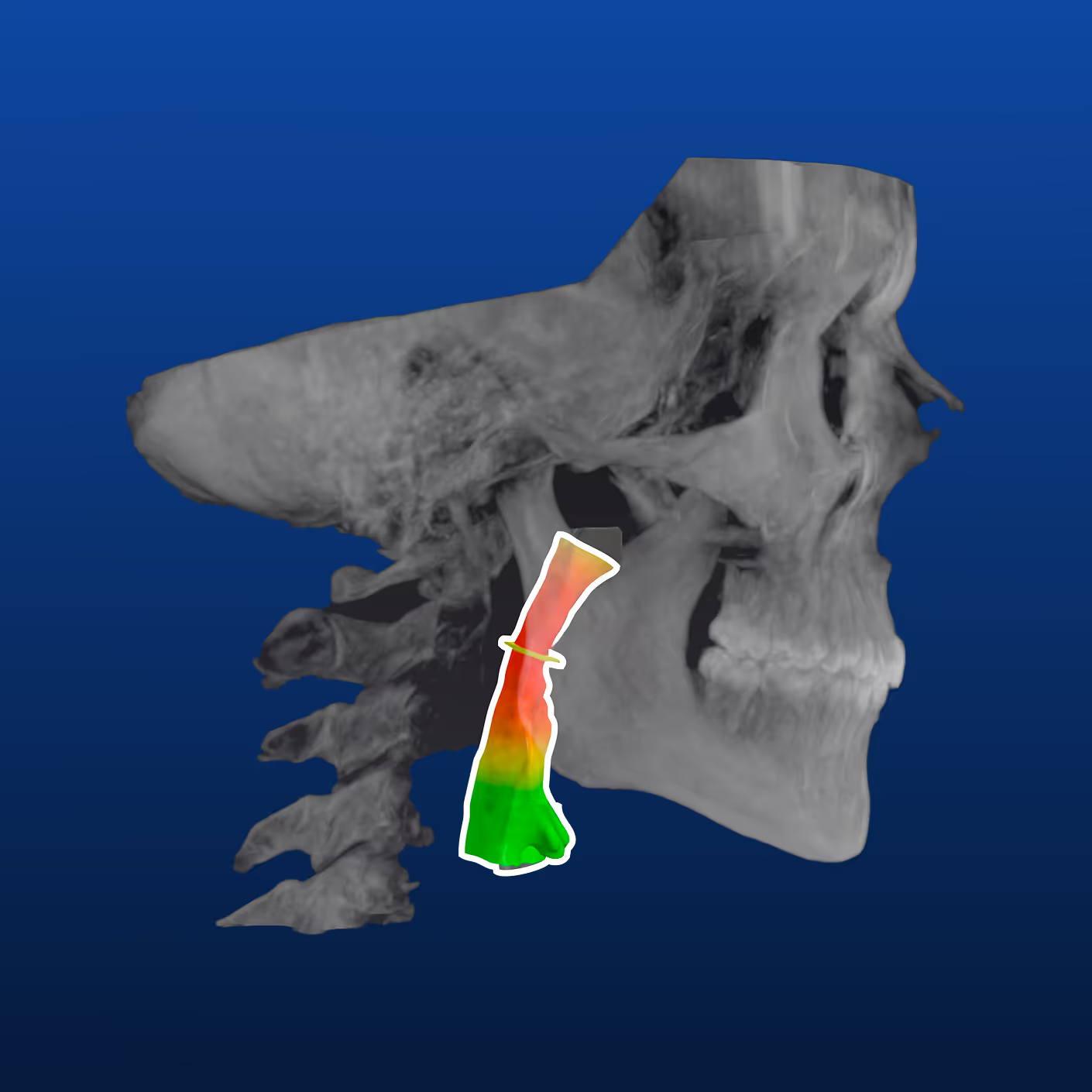







The jaws form the frame of the airway. When the upper and lower jaws are small, narrow, or positioned backward, there is not enough room for the tongue or soft tissues. During sleep, gravity pulls these tissues into the airway, causing obstruction. Jaw position directly determines how well you breathe at night.
Snoring is a warning sign that airflow is restricted. While not everyone who snores has sleep apnea, nearly everyone with sleep apnea has some form of airway noise. Snoring occurs when tissues vibrate due to a narrow airway and often progresses to full airway collapse over time.
Most patients notice deeper, more restorative sleep within weeks, followed by improved daytime energy and mental clarity. As breathing stabilizes at night, the nervous system exits chronic survival mode. This often leads to reduced fatigue, fewer headaches, improved mood, and better stress tolerance without relying on stimulants or sleep medications.
For many patients, improving airway structure and jaw position reduces the severity of sleep apnea and the need for lifelong mechanical support. While CPAP can manage symptoms, airway-focused treatment aims to address why the airway collapses in the first place. Some patients are able to lower pressures, improve comfort, or transition away from devices under proper supervision.
Chronic sleep apnea accelerates inflammation, hormone imbalance, insulin resistance, and cardiovascular strain. When airway function improves, oxygen delivery and sleep architecture normalize, allowing the body to repair and regulate itself more efficiently. Over time, this supports healthier metabolism, better brain function, reduced cardiovascular risk, and improved longevity.