

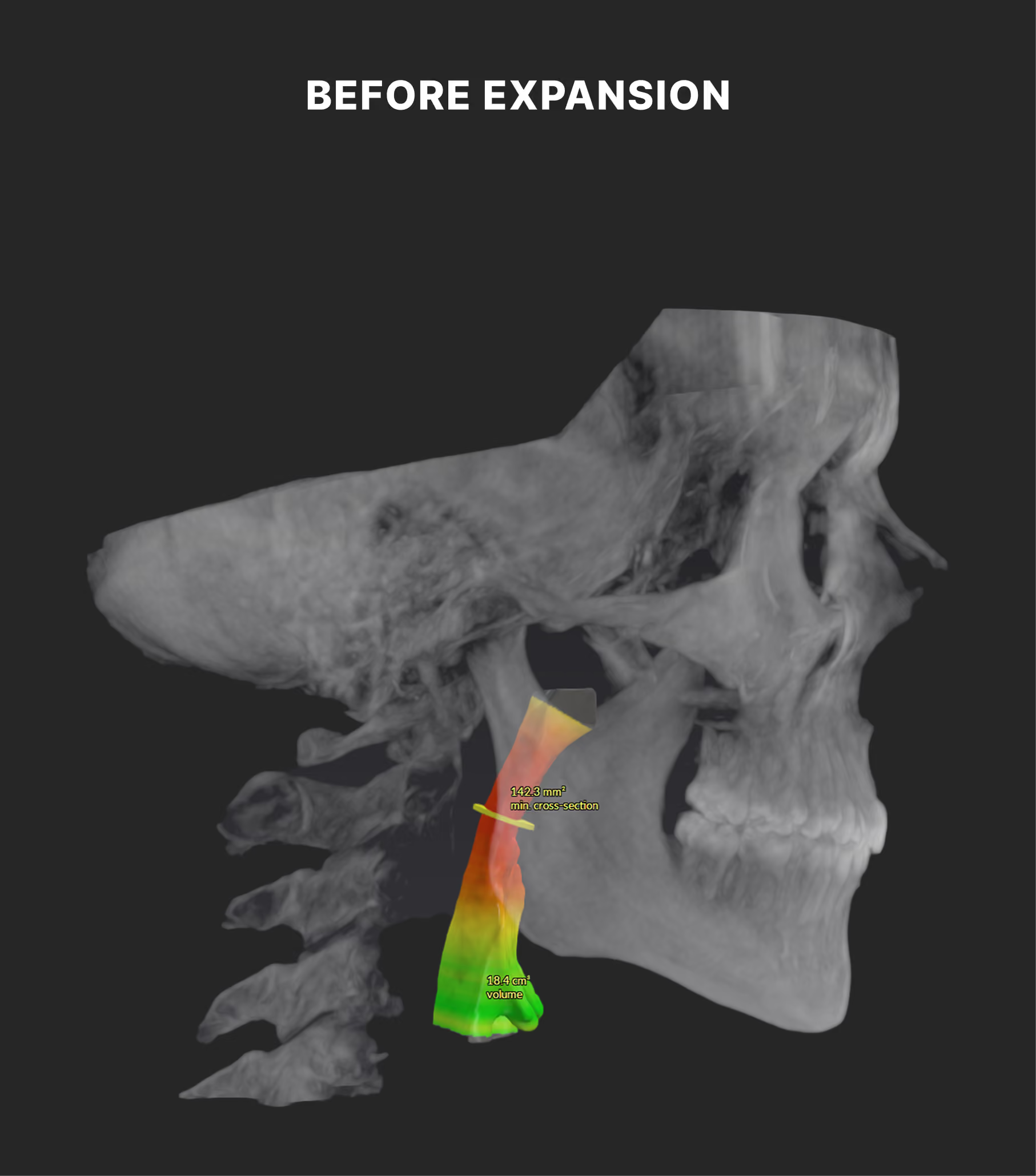
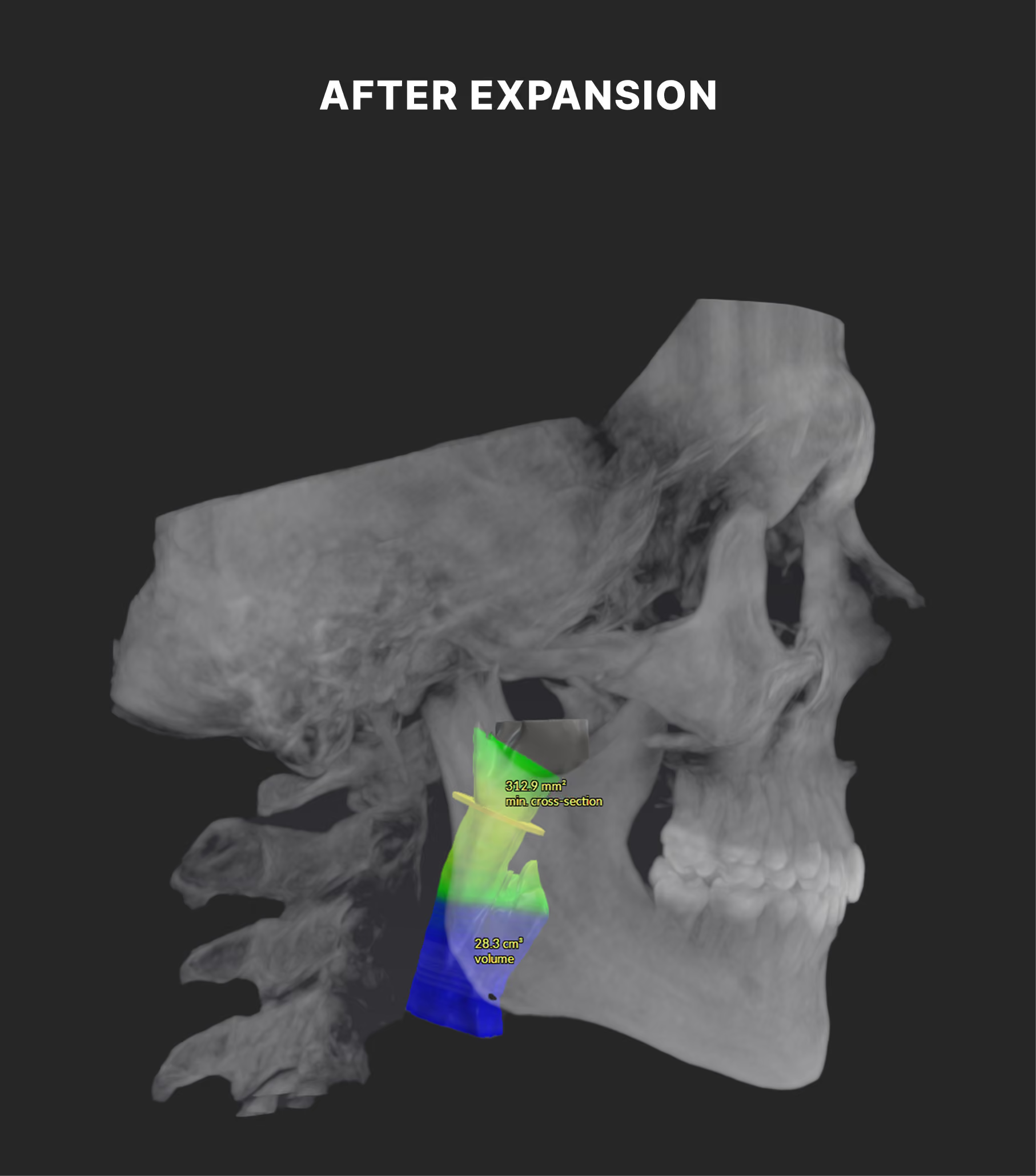
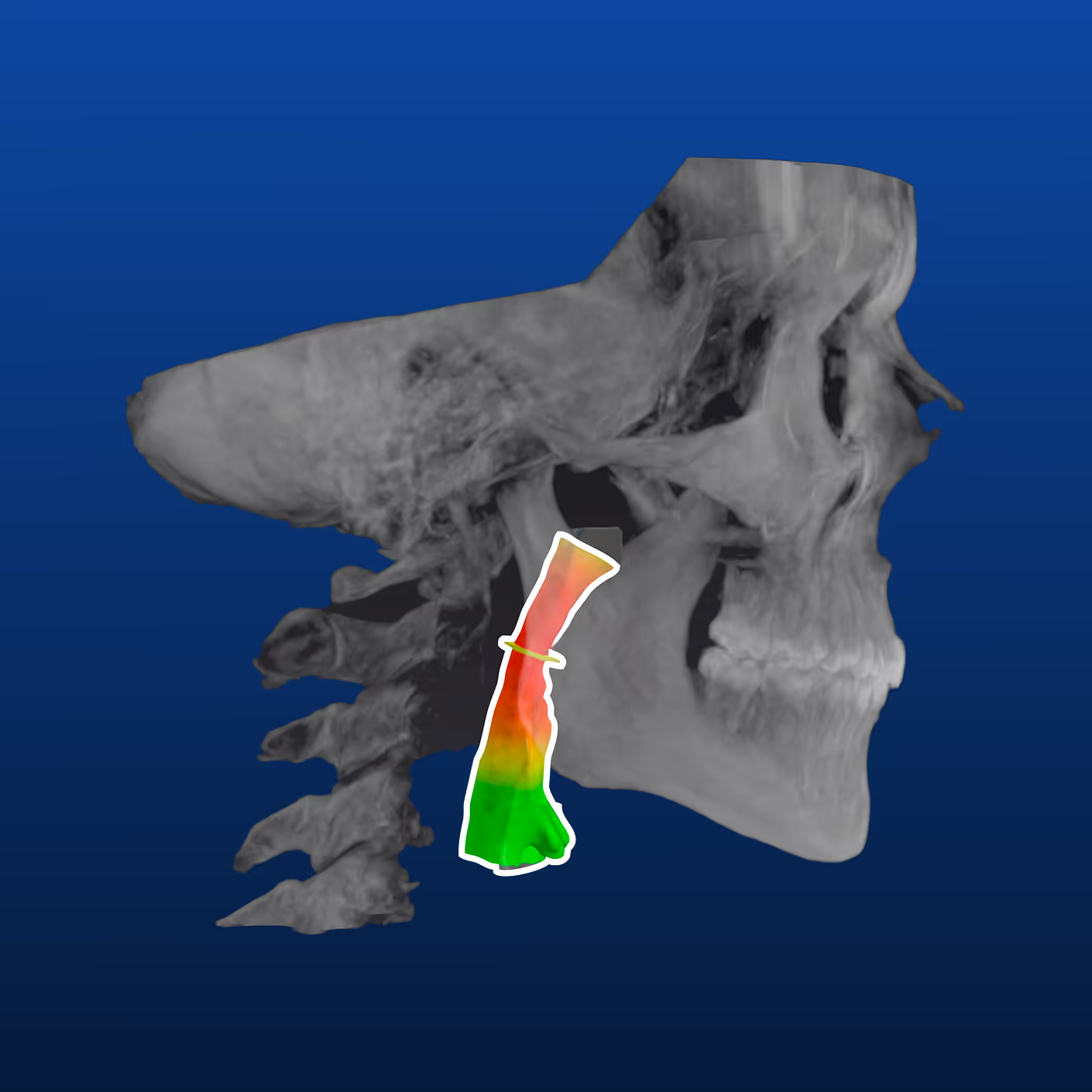







The jaw plays a critical role in keeping the airway open. When the airway is narrow, the lower jaw is often pushed backward and downward to help maintain breathing, especially during sleep. This altered jaw position places chronic strain on the TM joints and surrounding muscles, leading to pain, clicking, tightness, and inflammation.
Grinding is usually a symptom, not the cause. In most cases, nighttime grinding is the body’s attempt to stabilize the airway, increase oxygen intake, and prevent breathing interruptions. Treating grinding alone without addressing airway restriction often fails to resolve TMJ pain and may even worsen symptoms over time.
Night guards can protect teeth from wear, but they do not correct jaw position, airway collapse, or facial imbalance. Some flat night guards can actually push the jaw backward, reducing airway space and increasing stress on the TM joints. Without addressing breathing and jaw posture, guards are often a temporary or incomplete solution.
Yes. Orthodontic treatments that retract teeth, narrow arches, or remove space can reduce tongue room and airway volume. When the arches collapse, the jaw is often displaced backward, increasing stress on the TM joints and raising the risk of chronic jaw pain, clenching, and dysfunction.
Airway-centric TMJ treatment focuses on correcting the underlying cause rather than masking symptoms. The goal is to support proper jaw position, improve breathing, restore tongue space, and reduce joint overload. Instead of forcing the jaw into a compromised position, treatment works with the body’s natural growth and stability patterns.